
LINE Thailand Invites Thai Youth to Deepen 4 Digital Skills for "Safe and Secure" Online Navigation Against Modern Threats
Dive into digital skills through 4 learning sessions from the workshop "Digital Literacy for Youth" organized by LINE Thailand in collaboration with the Bangkok Education Office and Nakhanawa Upatham High School, featuring expert speakers from the Electronic Transactions Development Agency (ETDA), the Department of Special Investigation (DSI), and the Internet Foundation for Development in Thailand. This initiative aims to build a "digital immunity" for youth to effectively handle scams and various forms of online abuse, allowing them to navigate the online world safely and creatively. Over 150 teachers and students from Nakhanawa Upatham High School participated in the event.
Survival Guide 101: Transforming Social Media into a Safe Space
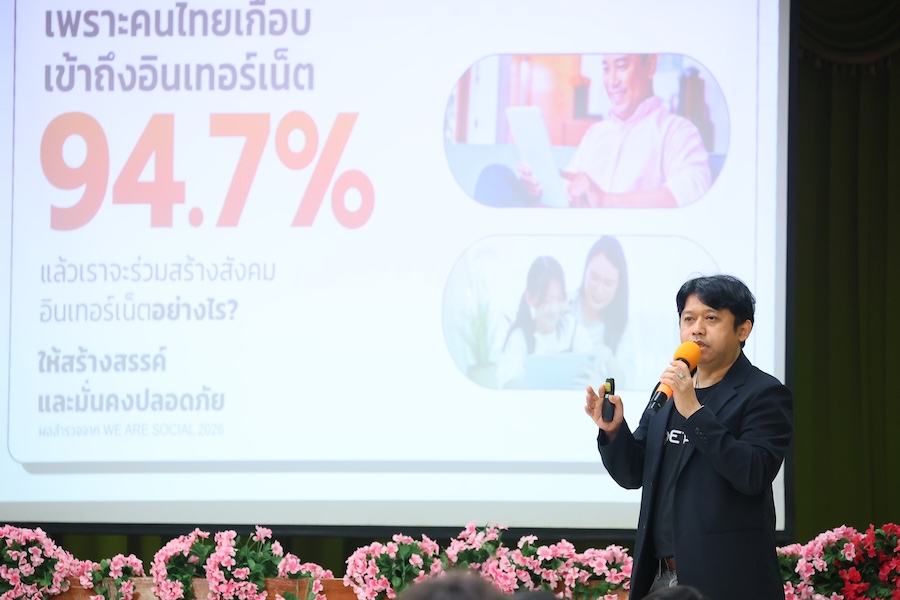
The Electronic Transactions Development Agency (ETDA) revealed interesting statistics showing that over 94.7% of Thais have internet access, making the online world a "second home" that is deeply integrated into daily life. Therefore, digital literacy is a crucial shield that helps us discern what is real and what is fake or risky before deciding to click, share, or transfer money. Knowing how to set up account and personal information protections, such as using hard-to-guess passwords, and being aware of the implications of our "digital footprint" are essential. Everything we post or do online is recorded by the system, and even if we try to delete it later, that information may still linger, potentially harming our reputation or job prospects in the future if we have posted inappropriate content.
Mr. Parinya Suwanachinkul, Senior Executive Officer at ETDA, added that online threats today are closer and more complex than we think, ranging from cyberbullying, internet addiction, to digital fatigue from excessive use. Moreover, modern scammers are developing increasingly sophisticated tools daily, such as using AI to mimic the appearance or voice of close individuals to gain trust, often employing psychological tactics that appeal to emotions rather than logic to rush victims into making purchases or transferring money. A basic prevention method is to thoroughly verify information before deciding to pay, whether by checking reviews or observing the destination account, as transfers to company accounts tend to be safer than to individual names. Additionally, we can use the "3 S's" as reminders: "See" for noticing abnormalities, "Suspect" before believing, and "Ask" knowledgeable individuals or contact hotline 1212 for assurance.
Stay Informed Before Being Misled: CSAM and Scams Disguised as 'Chat Partners'
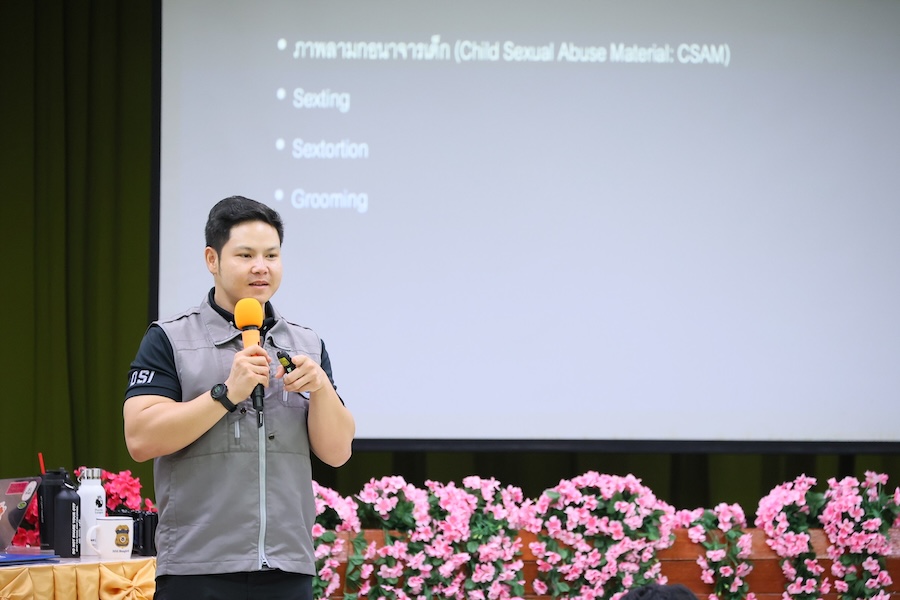
Mr. Napol Voraprateep, Special Case Officer at DSI, highlighted various forms of online sexual exploitation, including CSAM (Child Sexual Abuse Material) or materials related to child sexual abuse, such as photos, videos, drawings, live streams, or AI-generated images depicting child sexual abuse. This is one of the severe threats that significantly impacts victims in the digital world. Next is sexting, which involves sending sexual content or images to others. The alarming aspect is that once those images leak online, they are recorded and disseminated indefinitely. Scammers often use grooming techniques to gradually build trust over time to exploit victims sexually or lead to extortion known as sextortion, which leaves deep emotional scars and has a massive impact on victims' lives.
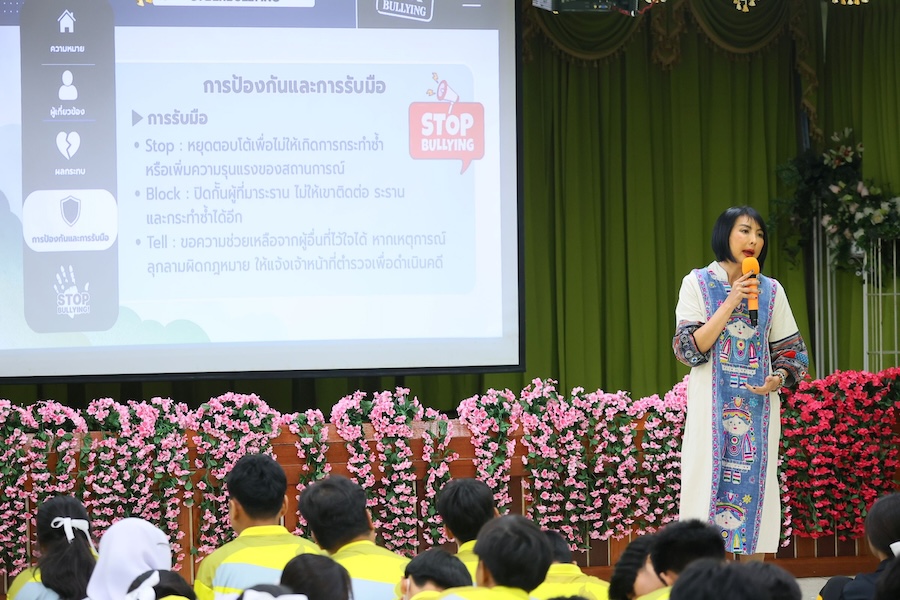
Aligning with the perspective of Dr. Srida Tanthathiphanit, Managing Director of the Internet Foundation for Development in Thailand, who pointed out the frightening complexity of online sexual abuse, which has escalated with the use of AI for forgery, from creating child pornography (CSAM) to faking voices and product information to lure victims. A crucial observation is that "anything that seems too good to be true often isn't true," which criminals often use as a starting point for the 7-step process of child grooming, from targeting, finding opportunities to befriend, building trust with a good image, using favors to create importance, to isolating the victim to listen to secrets, culminating in physical contact or coercion with video clips to demand benefits.
Furthermore, cyberbullying is another severe threat that is more intense than past bullying, as many witnesses are present, and concerningly, some observers may unknowingly become accomplices by making negative comments that further harm the victim, leading to severe physical and mental impacts, causing victims to feel ashamed, worthless, and at risk of depression. The coping strategies include adhering to three principles: “Stop” responding to prevent further actions or escalating the situation, “Block” the harasser from contacting or repeating their actions, and finally “Tell” trusted individuals for help. If the situation escalates to illegal activity, report it to the police for legal action.
A Safe Digital Home: Screening Techniques and Threat Prevention on LINE Platforms LINE

Ending with techniques from LINE, a platform that is more than just a chat app but encompasses various aspects of youth lifestyle, including communication, learning, content consumption, and managing personal affairs like bill payments. It is crucial to maintain personal space to prevent strangers from easily accessing it while fostering responsibility as users. The online world leaves a "digital footprint" just like walking on a beach. Taking a moment to think and ask ourselves whether what we are about to post or type is "true, good, and necessary" is the key to being responsible for our personal information, shared data, and respecting others in the digital society sustainably.
For prevention and privacy maintenance, the mantra is "Don't click, don't share, report immediately" if inappropriate behavior is encountered. You can report issues directly from the profile page, chat room, or direct chat messages. For official accounts (LINE Official Account), always look for the "shield symbol" in front of the account name. Additionally, set "block messages from unknown people" in the privacy menu to filter out strange messages from individuals not added as friends. Most importantly, strictly maintain the confidentiality of your "One-Time Password (OTP)," as it is a crucial code used for identity verification only once within a specified time. If this information leaks, it could lead to account theft.

All of this knowledge comes from the workshop "Digital Literacy for Youth," which marks an important step in equipping Thai youth to keep pace with increasingly complex cyber threats. Through collaboration from all sectors, we aim to create "digital immunity" that starts simply with being mindful of information screening, knowing how to maintain personal space, and using technology responsibly. Ultimately, sustainable online safety can be achieved when all users work together to transform knowledge into action, creating a safe and creative digital society for everyone.